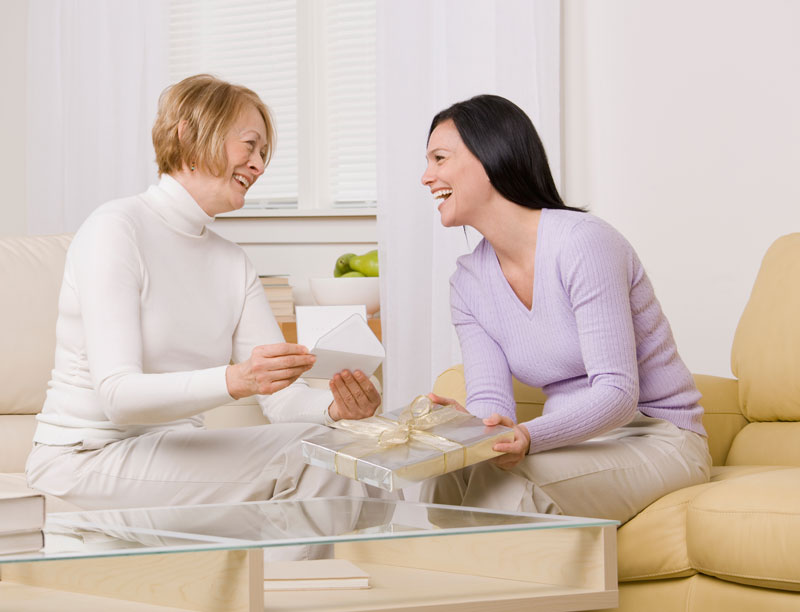
We all know that it feels great to smile. We smile when we feel happy and are enjoying life, but did you know that smiling is actually good for our health?
There are so many reasons why smiling is good for us, so now we have another reason to smile. It is good for us!
Here are some reasons to keep smiling today!
Smiles reduce our blood pressure.
When we smile our blood pressure and stress levels reduce.
Smiles release endorphins, natural painkillers and serotonin
Studies have shown that when we smile, we release endorphins, serotonin and natural pain killers, and serotonin. These make us feel healthy and full of energy.
Smiles relieve stress
If you feel stressed, don’t forget to smile as it help to prevent you from looking tired and wound up. After a while of smiling, the stresses of the day should slowly melt away.
Smiles boost your immune system
When you smile, your immune function improves and so it increases your protection against colds and flu.
Smiles help change moods
When you feel down and manage to start smiling, you will probably start to feel better as just the act of smiling can trick the body into helping you change your moods.
Smiles help you stay positive
It is very hard to have negative thoughts while you are smiling. Try it now. Smile and have a very sad negative thought. It is very difficult to do. Keep smiling and staying positive.
Smiles make you look younger
When we smile, our faces lift and we can look younger. Smiles are natures way of giving us a free facelift.
So, no matter what happens, no matter what the weather is like, keep your smiles with you.
Relaxation can help children suffering with stress and anxiety.
A recent poll run by Netmums showed there has been a 70% increase in children emotional problems. The Office for National Statistics says that 1 in 10 children are suffering from mental health problems such as depression and anxiety.
These reports are worrying for any parent but there are things we can do to prevent our children from suffering from stress and anxiety.
I do believe children are never too young to learn tools to help them cope with stress. Signs of stress and emotional strain can appear at any time and even the most happy child can start to display signs of irritability and anxiety. Relaxation, play and exercise are key to ensuring children grow up feeling relaxed, happy and positive.
Teaching children to manage stress has now become as important as teaching them to eat well, sleep well and stay physically healthy. To cope, a child needs to understand stress as a feeling. One useful exercise is to trace around the child on a large piece of paper and then draw on to the body where they feel stress and how it appears ie headaches, unable to sleep, butterflies in the tummy, etc. Ask your child to talk about when they have those feelings and tell them about your experiences. Then help them to manage their stress: they should tell people how they feel, take some steady breaths, blow out imaginary birthday cake candles, keep a journal, distract themselves, take some time out and play a game or listen to music.
It is so interesting to hear what your children’s thoughts on love are. Here’s some of the best below! The answers were broad and deep… Ask your kids what they think!
‘When my grandmother got arthritis, she couldn’t bend over and paint her toenails anymore. So my grandfather does it for her all the time, even when his hands got arthritis too. That’s love.’ – Rebecca – age 8
‘When someone loves you, the way they say your name is different. You just know that your name is safe in their mouth.’ – Billy – age 4
‘Love is when a girl puts on perfume and a boy puts on aftershave and they go out and smell each other.’ – Karl – age 5
‘Love is when you go out to eat and give somebody most of your French fries without making them give you any of theirs.’ – Chrissy – age 6
‘Love is what makes you smile when you’re tired.’- Terri – age 4
‘Love is when my mummy makes coffee for my daddy and she takes a sip before giving it to him, to make sure the taste is OK.’ – Danny – age 7
‘Love is when you kiss all the time. Then when you get tired of kissing, you still want to be together and you talk more. My Mummy and Daddy are like that. They look gross when they kiss’ – Emily – age 8
‘Love is what’s in the room with you at Christmas if you stop opening presents and listen.’ – Bobby – age 7 (Wow!)
‘If you want to learn to love better, you should start with a friend who you hate.’ – Nikka – age 6 (We need a few million more Nikkas on this planet)
‘Love is when you tell a guy you like his shirt, then he wears it everyday.’ – Noelle – age 7
‘Love is like a little old woman and a little old man who are still friends even after they know each other so well.’- Tommy – age 6
‘During my piano recital, I was on a stage and I was scared. I looked at all the people watching me and saw my daddy waving and smiling. He was the only one doing that. I wasn’t scared anymore.’ – Cindy – age 8
‘My mummy loves me more than anybody. You don’t see anyone else kissing me to sleep at night.’ – Clare – age 6
‘Love is when Mummy gives Daddy the best piece of chicken.’ – Elaine-age 5
‘Love is when Mummy sees Daddy smelly and sweaty and still says he is handsomer than Robert Redford.’ – Chris – age 7
‘Love is when your puppy licks your face even after you left him alone all day.’ – Mary Ann – age 4
‘I know my older sister loves me because she gives me all her old clothes and has to go out and buy new ones.’ – Lauren – age 4
‘When you love somebody, your eyelashes go up and down and little stars come out of you.’ (what an image) – Karen – age 7
‘Love is when Mummy sees Daddy on the toilet and she doesn’t think it’s gross.’ – Mark – age 6
‘You really shouldn’t say ‘I love you’ unless you mean it. But if you mean it, you should say it a lot. People forget.’- Jessica – age 8
Children thrive on positive praise, remarks, comments and words. Praise is simply a genuine, positive comment, said with a warm look and tone. Your affection, gestures, looks and words will allow your child to develop a positive view of them selves as by being loved and loveable as well as valued.
There are various ways of using language to boost your child’s self esteem. A steady supply of praise will also not only improve bad behaviour, but also help them cope with the various new challenges they will encounter. Make sure your tone and gestures back up the words that are coming out of your mouth or your child will not believe you.
You can share positive thoughts and feelings such as I love you and I feel so proud of you, share positive appreciation for a specific task such as The way you read that book was wonderful. You can also use positive words to show that you recognise their achievements and efforts such as You are trying so hard at.
One more thing – make sure your praise is genuine and your face and voice is warm and loving. This way, your child will believe your words and start to value themselves. For best results, try to avoid back handed praise that comes with a sting in the tail. For example `Tom you shared your toys very well today, it’s a shame you were so naughty yesterday.’ Forget the past and focus on nurturing and encouraging your child from this moment onwards.
Below is a list of 50 ways to praise your child. Try to use at least three of them today! Use these positive comments often and watch how your precious child grows more and more confident, secure and full of self-esteem. And better still the positive words will make you feel great too! So here they are please do pass these on to any other mums and dads or teachers who might find them useful so we can spread positivity to our next generation.
50 ways to praise your child
1. I like the way you…
2. I admired the way you…
3. Do you know how important you are to me?
4. I could really see how much you were trying
5. It’s fun playing with you
6. I care so much about you
7. I feel so proud of you when you…
8. You really showed how talented you are when you..
9. I am so excited that you…
10. You can really feel proud of yourself because ..
11. You‚ are a real winner!
12. You are a real friend – look at how you…
13. That is amazing! Well done!
14. I love you because…
15. I trust you to…
16. You are a real joy
17. You are a real good friend
18. Congratulations on the way you…
19. Thank you for…
20. I can see how hard you worked on that – well done!
21. You have a lovely singing voice
22. I can really see that you are improving
23. You are precious
24. You are so important
25. You are unique
26. What an imagination!
27. You are so caring
28. You make me smile
29. You have a special talent for…
30. You have a brilliant smile
31. You are so clever
32. You are so creative
33. That is fantastic – look at how you made…
34. I love being with you
35. You are a star!
36. You look fantastic today
37. You look great in that
38. You are really brilliant
39. You are beautiful
40. Wow that is fantastic
41. You are so special
42. That is excellent
43. That is really great
44. Well Done
45. I knew you could do it
46. You are a real super star
47. You are really smart
48. That is magnificent
49. You are Spectacular
50. Well done you! Take action today, praise, praise, praise and watch your child blossom and grow in happiness.
And, just one more thing – For your child to really shine and be full of confidence, he/she needs to be encouraged to develop the art of positive self-talk. Try to discourage you child from feeling and talking negatively about themselves but use affirmations such as `I am great at running`, `I am OK` and `I can do it`.
Sports Day season is here‚ for some this is a very exciting opportunity. A chance to show a natural sporting ability that many kids can only dream of! For others‚ it may be the biggest nightmare.
We want to encourage kids to recognise their individuality this month. See their strengths and greatness and give them real power to be who they are!
Helping children think about and work towards their goals can build self esteem and give them a sense of achievement. Here are some steps to help children work towards their goals.
First of all close your eyes and imagine your goal. What would you like to achieve? See if you can picture yourself having achieved your goal. How do you feel?
Next write down your goals. When you write them down, they become clearer and more real.
Now, break your goals into small achievable steps. It is much easier to bite off each chunk rather than tackle the whole thing in one go.
Put up your goals and your small steps somewhere you will see regularly. The more you are reminded of your goals the easier it is to achieve.
Every spend a few minutes visualising yourself achieving your goals. Imagine how you will feel when you have achieved them.
Give yourself a small reward each time you achieve one of the small steps.
In our stressful world, it is important to develop an ability to let things go easily. This is vital for our mental and spiritual health. Try to find moment in the day or at the end of the day, where you can let go and release everything that has happened. This is especially important to do before bedtime. You may like to fill an imaginary balloon with any stresses and anxieties and let it go, or try throwing unwanted thoughts and feelings and watch them disappear or float away. Use your imagination, be creative and make this an enjoyable experience for yourself.
Eat Slowly
When we are rushing from one activity to another, it is easy to forget to look after ourselves and just eat on the go. If you can, try to sit down to eat and eat as slowly as possible, enjoying every mouthful. Your body will thank you for this and you will feel the benefits of deep relaxation. If you can, bless your food or say a short prayer for a few moments. This may sound strange, but there have been studies that our thoughts and intentions can have a profound effect on our food.
Smile
Even if you don’t feel like it, smile. Watch as this little facial expression can make a difference to your mood. For a deep relaxation, try this Buddhist exercise of tummy smiling. Imagine you are smiling from the depths of your stomach. As you practise this, you will find that you instantly feel more relaxed and content.
Take a Break
If you are able to stop during the day, schedule a short 5-10 minutes break for yourself. This will help you feel more calm and in control. Use these few minutes to experience deep inner calm and silence. Just allow your thoughts to slow down, let go of the tension in your neck and shoulders and imagine you are being showered by drops of peace and a bubble. If you have time, kick off your shoes and socks and walk on the grass outside. As you build up a practise of this, you will notice how you can be refreshed and rejuvenated in just a short time.
Stop and Breathe
Stop for a few moments and let your mind become still. Take in a deep breath and breathe in a feeling of peace. As you breathe out, breathe out peace into the room. Close your eyes and give yourself a 30 second face massage. End with a brisk rub of the ears for a fantastic rejuvenator.
Practise Meditation
Sit or lie down and let your mind drift away.
Close your eyes, be very still and imagine you are lying down on the beach. Feel the warm sand underneath your body. Stay there for a few more moments, enjoying the feeling of being completely relaxed.
If you have found this blog helpful please pass it on to your friends, colleagues, schools and nurseries and help us help more families and schools.
When I was a children’s entertainer, most of the little girls would dress up as little princesses and boys would love being superheroes. Children and adults love fairy tales and I think that is why most of us love a royal wedding.
Our love of fairy tales gave me the idea to write my book – https://relaxkids.com/store/books/aladdins-magic-carpet/ where children could imagine they were princesses and superheroes going on magical adventures in their mind. I did something that had never been done before and took all the fairytales and turned them into visualisations.
We all love positive and happy endings to fairytales and enjoy good conquering evil.
The book allowed these fairy tales to come alive in children’s minds. I had no idea the visualisations would be so popular and what a profound effect it would have on those who listened to them.
I then made a https://relaxkids.com/store/cds/superheroes/ for boys and a https://relaxkids.com/store/cds/princesses/ for girls (of course boys can listen to the princesses CD and girls can listen to the Superhero CD)
Children around the world now go to sleep dreaming of being in their own fairytales. As a result, parents and teachers noticed how their imagination and creativity was improving while they were becoming more confident and calm.
So, if you would like your child to dream of fairy tales each night and wake up fresh and full of creativity, you might like to order one of my CDs.
This is a great way to instill confidence and positivity in your child’s daily life. Send them off to school with a Super Power!
At the beginning of the day as they are getting ready or sitting down for breakfast, ask them what super power they would like to help them get through the day.
Here are some suggestions:
. Happiness
. Peace
. Confidence
. Courage
. Kindness
Give them an imaginary coat of that super power and let them feel protected and surrounded by it. They could breathe in deeply 3 times and let that super power fill every part of them.
Tell them to use the power when they need it in the day.
At the end of the day, ask them how they used their super power and if they needed to use it or if it helped them manage problems.
My https://relaxkids.com/store/affirmation-cards/star-cards/ are great for giving you some Super Power ideas. There are 52 of them.
You could even let them keep a diary of superpowers so they can collect the whole set. They could get a sticker https://relaxkids.com/store/stickers/star-stickers/ for each power.
Please do let me know how your children get on with this simple super power idea.
We all know that it feels great to smile. We smile when we feel happy and are enjoying life, but did you know that smiling is actually good for our health?
There are so many reasons why smiling is good for us, so now we have another reason to smile. It is good for us!
Here are some reasons to keep smiling today!
Smiles reduce our blood pressure
When we smile our blood pressure and stress levels reduce
Smiles release endorphins, natural painkillers and serotonin
Studies have shown that when we smile, we release endorphins, serotonin and natural pain killers, and serotonin. These make us feel healthy and full of energy
Smiles relieve stress
If you feel stressed, don’t forget to smile as it help to prevent you from looking tired and wound up. After a while of smiling, the stresses of the day should slowly melt away
Smiles boost your immune system
When you smile, your immune function improves and so it increases your protection against colds and flu
Smiles help change moods
When you feel down and manage to start smiling, you will probably start to feel better as just the act of smiling can trick the body into helping you change your moods
Smiles help you stay positive
It is very hard to have negative thoughts while you are smiling. Try it now. Smile and have a very sad negative thought. It is very difficult to do. Keep smiling and staying positive
Smiles make you look younger
When we smile, our faces lift and we can look younger. Smiles are natures way of giving us a free facelift.
So, no matter what happens, no matter what the weather is like, keep your smiles with you.
When the weather is less than desired it is difficult to appreciate our country, but here are a few reasons why living in the UK is so lovely.
Greens: The rainy weather really helps feed our environment and keeps our fields and plants looking stunning. The different shades of green are wonderful and vary throughout the year.
Seasons: Some find this a hindrance, never know what to wear! But actually, the seasons are truly wonderful‚ they give us the opportunity to be able to experience the same landscape under different conditions, so we can see how things change and develop in different situations.
Proximity: We are so close to everything! We are able to just jump on a plane or a boat and be in a different country with ease, so we can learn lots about our world.
Cultures: Our world is so diverse and now, many people from all walks of life can share their own backgrounds with each other. It is so lovely to be able to share stories with people from different backgrounds and learn about life elsewhere.
These are just a few reasons why life is grand, why not tell us about where you live and what you appreciate about the area that you are from, wherever in the world you might be!
Why not try our nature meditations – https://relaxkids.com/store/cds/nature/
Encourage them to make suggestions to make it even more comfortable and relaxing. Children love newness and will love helping rearrange their room. It can be a lovely chance to spend quality time with them and find out what they love.
Here are a few suggestions.
1 – Keep TV and videos out of the room. Although it maybe tempting to let children fall asleep watching a program, it actually is stimulating and can cause more sleep problems.
2 – Keep the colour scheme soft and relaxing
3 – Play relaxing music in the evening and soften the lighting.
4 – Create a relax area – just a cushion will do – a place where children can sit back, reflect and chill out.
5 – Buy some new sheets that bring newness to the room, or dye some existing ones.
6 – Try painting a simple mural on one section of the wall.
Would you like to create a feeling of kindness and generosity in your home or classroom?
You might like to try this game.
This game can be played at work, home, at school, amongst children or staff. It is so much fun and creates a wonderful atmosphere of love and kindness.
Not only is is uplifting for all, it is motivational and a wonderful chance to help children and adults be creative. It also creates a great sense of community. It is simple to play. Names go into a hat and each person picks a name out of the hat. For one week or month, they have to be especially kind, loving and generous to that person.
It is important that it is kept a secret though. They can leave kind words, small gifts and treats, make pictures, cards, write poems, make secret cups of tea, but they must not reveal their identity.
At the end of the week or month, each angel confesses to his friend and they can share their experiences.
You could continue this and put names in the hat again and let everyone have another secret angel for the next month or week…
One school included the caretaker and dinner ladies and it really changed the morale in the school. Everyone felt special and included!
Here is a great exercise you can do at home or in school to encourage children to feel calm and peaceful.
Write the word CALM as large as possible and let your child colour in the word. They can add pictures of things that help them feel calm. Let them use calming colours – anything to create an image of calm. Tell children to stare at the picture and see how calm they can feel. Then ask them to close their eyes and make the picture very small – like a postage stamp. Tell children they can keep this little picture anywhere they like in their body – heart, head, and finger. Whenever they are feeling stressed and anxious, they can look at their calm picture and feel calm.
You might like to play to a Relax Kids while the children are colouring their Calm picture.
If you have found this blog helpful please pass it on to your friends, colleagues, schools and nurseries and help us help more families and schools.
Most people spend 46.9% of their waking hours in a state of distraction
Does your mind wander? With the onset of this age of information and technology, it seems our concentration levels are dwindling! A recent study at Harvard University has shown that most people spend 46.9% of their waking hours in a state of distraction. The study found that people were thinking of anything other than what was happening around them for nearly half their time awake.
The study was conducted by Daniel T. Gilbert and Matthew A. Killingsworth both of whom are psychologists at Harvard University. In their paper which was published in the Science journal, they wrote that ‘A human mind is a wandering mind, and a wandering mind is an unhappy mind,’ adding that ‘The ability to think about what is not happening is a cognitive achievement that comes at an emotional cost.’
They further observed that people’s brains seem to have a default pattern of mind wandering spending time thinking about past events, possible future events and total imaginations, all of which is unique to humans; animals only think about what is happening around them.
Killingsworth explained that ‘Mind-wandering appears ubiquitous across all activities,’ and that ‘This study shows that our mental lives are pervaded, to a remarkable degree, by the non-present.’
An interesting statistic emerged revealing that only 4.6% of someone’s happiness was due to their current activity, whereas 10.8% of their happiness was due to mind wandering.
To sum up, Killingsworth said, ‘Mind-wandering is an excellent predictor of people’s happiness,’ adding that ‘In fact, how often our minds leave the present and where they tend to go is a better predictor of our happiness than the activities in which we are engaged.’
So stay happy and live in the present, enjoy each and every moment. Meditation and relaxation can play a huge part in keeping us focussed and in the present.
If you are new to meditation, take some time out and sit in a quiet room free from distractions and just focus on the present moment. Relax each muscle in your body and notice what is happening around you. Try our Relax Kids meditation CDs to help improve your mindfulness and concentration levels. https://relaxkids.com/store/product-category/cds/
The Flower Moon will be appearing in the early hours of the morning (total lunar eclipse).
It is the FULL MOON and children can be more irritable and find it more difficult to settle. Please feel free to read the Full Moon Meditation in the evening or at bedtime for a relaxing night.
Please forward this email to a friend or parent who might need it to keep children calm during this full moon period, make it magical.
Positive statements are a great way of inspiring children to be positive.
Here are some thoughts to share with your child.
I am unique. I am special. I think about all the things that make me special. I choose to think thoughts that make me feel good about myself. I deserve to have good in my life I know that I am special. I love the fact that I am different and unique – I am not afraid to be different. I am not afraid to be special. I know that I am loved and respected. I love and respect myself. I believe in myself I know that I make a difference to those around me. I can make a valuable contribution to my community.
I know that I am wonderful. I feel good about myself. I believe in myself.
I feel confident I can do whatever I want. I think I have to think confident thoughts I fill my mind with positive thoughts about myself. I only have good thoughts about myself – everyday I think of more and more reasons why I am amazing.
I will make a list of why I am so special. I am proud of the things I have achieved. I congratulate myself. I love myself. I am unique and wonderful. I am individual and one of a kind. There is no one in the world quite like me. I am magnificent – I think about all the reasons why I am magnificent. I refuse to think negative thoughts.
I refuse to listen to any negative words from others, No matter what anyone says, I know inside that I am OK. No matter what happens, I know that I am unique and amazing.
I am proud to be different. I will now start to appreciate how amazing I am. I am starting to love myself I accept myself just the way that I am. I love and accept myself.
Please pass this on, forward to a friend
If you liked this blog ‚ tell your friends, colleagues, local schools and nurseries and help us help others! Thank you.
The next call with Marneta will be on Wednesday 18th May, 8pm UK Time
To access the call you need to be in licence. Click on Business Zoom Meetings, in the menu above, for the link. Please visit the event (JOY) in Coaches Chat to let us know you will be there.
Can one act of kindness make other people feel good about themselves?
Kindness is an expression of love and is something we all have. Using it makes us feel better. It creates a sense of community and gives us a sense of value and self worth. Kindness is also extremely contagious and the more we experience it in our lives, the more we want to pass it on so creating a wonderful domino effect of love and kindness. Here are 20 ways to spread a little happiness around you.
1. Leave a chocolate bar at the bottom of the vending machine
2. Send someone a handwritten note or letter of love or thanks
3. Buy a stranger a lottery ticket
4. Pay the toll for the next person in the queue
5. Put coins in someone elses parking meter
6. Treat a friend for no reason
7. Send a postcard to a friend and tell them how much you love them
8. Make someone’s morning by giving up your seat on the train or holding the door open
9. Take flowers to a hospital ward and give it to somebody who has had no visitors
10. Pick up rubbish
11. Leave a pound in a shopping trolley
12. Help an elderly neighbour
13. Leave a copy of an inspirational book on the bus
14. Send a kind, inspirational word or email to your friends
15. Give your newspaper away to a stranger
16. Help someone carry a pram or suitcase up the stairs
17. Give someone a gift secretly
18. Give a compliment
19. Tell a member of your family how much you appreciate them
20. Drop off some chocolates at an old people’s home
Simple techniques to help you stay calm and relaxed.
Exams are incredibly stressful. Here is a simple technique that you might like to use to help you stay calm and relaxed whilst alert and ready to learn.
It can also increase your learning ability and help you memorize your work. It can also help relieve exam nerves before the exam and is also great for headaches and releasing tension.
The Learning State
1 Familiarise yourself with the room in which you are in. Look around it and notice a few details, colours, shapes, objects.
2 Close your eyes and just relax. Try to empty your mind of everything for a few seconds. You know that you can pick it up later when you need it.
3 Now open your eyes and find a spot on the wall or in front just above eye level and direct your complete attention on that spot. Focus on the spot for around 5-10 seconds before expanding your focus to the periphery whilst keeping your eyes still.
4 Relax your jaw and continue to expand your vision. Become aware of the sounds in the room and feel your body against the chair. Become aware of how your relaxed your body feels and how still your mind is.
5 Imagine stepping out of your body and being able to see the whole room. Stay in this relaxed state for as long as you wish until you are ready to continue with your study.
Please pass it on and tell all your friends
If you have found this blog helpful please pass it on to your friends, colleagues, schools and nurseries and help us help more families and schools.
SATs are so stressful for young children. We all know that when we are stressed, we often go into shut down mode which makes it difficult to remember, concentrate and focus.
At Relax Kids, we feel that helping your child stay as relaxed as possible particularly at this time is vital.
Here are some simple Stressbusters to help keep them calm.
1 Happy Place – Ask your child to close their eyes and imagine they are in their happy place. Let them stay there for a few moments.
2 Massage – A few minutes head or shoulder massage will do wonders for your child’s stress levels.
3 Breathe -Take in a deep breath and breathe out slowly through the mouth.
4 Write – Encourage your child to write a journal or diary and so they can identify their thoughts and feelings.
5 Exercise – Go for a walk or bike ride or swim.
6 Hug – Having a hug is a great healer and will make your child feel safe and secure.
7 Rest – Make sure they get plenty of sleep especially before the exam.
Recent studies have shown that children learn better in a quieter, calmer classroom.
Dr Helen Lees from Stirling University’s School of Education has written a book Silence in Schools. In it she talks about how silence and stillness and keeping noise to a minimum can enhance pupil’s learning, concentration and behaviour.
A study carried out by South Bank University and the Institute of Education in London found that childrens exam results were cut by as much as a third if they taught in noisy classrooms.
At Relax Kids we are delighted to hear about this new research and it proves even further the power of peace and quiet brought on by moments of relaxation and meditation. It is becoming more and more vital for pupils of all ages to adopt periods of quiet contemplation and reflection.
Would you like to bring a few moments of quiet to your classroom?
Try a minute of quiet at registration or assembly. Pupils (and even adults) may feel uncomfortable at first as silence is often unchartered territory. However with time, they can learn to appreciate and enjoy the moment. The quiet time can be used to let their minds drift and wander. This is deeply relaxing and restorative as it allows them a few moment of time out from the busyness and noise.
Alternatively, if they need something to focus on, they could repeat the words ‘I am calm’ ‘I am peaceful’ ‘I am quiet’
You can also use Relax Kids relaxation CDs such as quiet spaces https://relaxkids.com/store/cds/quiet-spaces/
Are you interested in who is behind Relax Kids and how it started?
I was introduced to yoga and meditation in the 70s by my mother. Despite gaining many benefits, I was teased mercilessly by my classmates. I am grateful now for this early introduction to the benefits of relaxation and meditation as without that, I don’t think I would have started Relax Kids.
As a children’s entertainer in London for 13 years, I spent half my time calming children down as I did entertaining. I noticed over the years a change in behaviour and I wanted to help children relax, concentrate and focus. I researched the area of children’s meditation and relaxation and found that there was almost nothing in the UK at that time.
As there was still a great deal of stigma with regards meditation, I hit upon the idea of transforming fairy stories into meditations to help children relax, and in 2001, I wrote some simple meditation stories.
Having found a publisher for my 2 books, I couldn’t wait a year for them to be on the shelves and so I used the ¬£45,000 that my mother gave me to buy a flat, to produce a range of CDs. As you can imagine, she was horrified, but I just felt compelled to do it and believed that it was so needed. With very little business experience, I filled my bedroom with hundreds of boxes of CDs, crossed my fingers and started trading October 2003.
For 18 months, I slept in the only available space under my desk, often sleeping 4-5 hours a day as I worked on new ideas and plans for Relax Kids. I moved to Oxford and into Fairytale cottage and was fortunate enough to be awarded Oxfords Best New Business. The prize was an free office for a year. I can’t tell you what a great feeling it was to get the CDs out of my house!
Following the office Success, I went on BBC Dragons’ Den. Although they didn’t understand Relax Kids, it was a wonderful opportunity for national and international exposure. The episode is still aired on some flights to and from the UK!
Alongside selling the products, I started teaching relaxation exercises to a small group of children. I developed a simple 7 step system to teach children to relax with dance and movement, games, stretching, massage, breathing exercises, affirmations and visualisations. After one hour children were relaxed and asleep! Interest was growing throughout the UK for the classes and so I started a training program to allow others to teach the system. To date, I have trained nearly 5,000 people in over 25 countries as well as running school insets, professional development courses and spoken at conferences.
From my original 3 CDs, we now have a range of over 30 products and I hope to continue the range to cater for adults, teens, babies and toddlers.
Relax Kids has grown almost entirely by word of mouth and I would like to thank all my loyal customers – old and new – many of whom are now friends. Thank you for taking the risk and buying a CD or trying out a relaxation exercise from the website. It is because you did that, that relaxation and meditation are now becoming mainstream.
We have come a long way from the time where I was teased 30 years ago for just learning to relax!
For many people the word meditation brings to mind an image of snow-topped mountains, absolute silence and the uncomfortable cross-legged lotus position.
However, meditation can mean many different things to many different people, and can be as simple as counting your breaths over your morning cup of camomile.
The term meditation is used widely, and generally means becoming aware of your body, your breathing, your feelings, and entering a deep state of relaxation. It is most often used as a way to reduce stress, improve self-esteem, and get rid of any negative or debilitating thoughts -leaving more room for positivity, creativity and personal growth!
Sounds great, right? So why aren’t we introducing these important skills to children? Meditation has long been thought of as an adults-only practice, but the skills learned through meditation can be invaluable tools for helping children’s emotional and learning development!
Introducing your children to meditation can seem like a daunting task, but it may be simpler than you think. There is evidence to show that children as young as five can learn and benefit from relaxation techniques *(1).
Children can be taught a variety of very simple meditation techniques, such as breathing exercises, gentle muscle relaxations, affirmations, and visualisation
Marneta Viegas has built her company, Relax Kids, on the belief that children can and should learn meditation, and is now the UK’s leading expert in children’s relaxation. She is passionate about making the practice of meditation more accessible for children and has created a range of products and resources that introduce children to meditation in a fun, practical and magical way!
Relax Kids CDs take well-known fairytales, such as Jack and the Beanstalk and Alice in Wonderland, and transform them into beautiful, guided-meditations for children. Children can enjoy listening to the stories, while following simple instructions that will teach them important skills to help their emotional and learning development. For example, children might learn to control their breathing by imagining that they are breathing in colours and then blowing out a rainbow. Or learn progressive muscle relaxation techniques by imagining that they can feel their fingers and toes relax as they sink into a soft fluffy cloud. Or practice visualisation skills by imagining the warm wind on their faces as they take a ride on Aladdin’s magic carpet. Each CD is also brimming with positive affirmations to boost children’s self-esteem and encourage creativity!
As well as helping children learn to relax their bodies and minds, improve self-esteem and boost creativity, studies have shown that teaching children meditation can reduce dysfunctional behaviour*(2). In addition to the fairytale range, Relax Kids have also created a unique range of CDs designed to target specific emotional problems, including Anger Management and Anxiety and Worry. These CDs help children acknowledge their emotions and teach them positive and constructive ways to respond to those feelings. For instance, children will learn techniques like imagining that they are blowing their anger or upset into a balloon and then watching it float away.
Relax Kids products have already helped over 500,000 homes and schools teach children the positive skills learned through meditation. Relax Kids also offers adult training and children’s classes.
Relax Kids is offering a FREE WELLBEING PACK! Download yourshere.
(1) Amon, K; Campbell, A. ( 2008). Biofeedback and children with AD/HD. Journal of Educational & Developmental Psychology. 8 (1), 72-84.
(2) Margolis, H. (1990). Relaxation training: A promising approach for helping exceptional learners. International Journal of Disability, 37(3), 215-234
The concept around d self esteem can be upsetting for parents and peers of someone who is suffering with low self esteem. You can see their potential, everyone around you can see their potential. But they feel worthless and inadequate.
Emotions that we have can be generally categorised as positive or negative – however, we need to listen to both types of emotion with equal importance. When we do that, we can see our negative emotions develop into positive ones.
Low self esteem may be a reaction to school anxieties, a feeling of self worth, feeling “different”, competition with others, rejection or personal insecurity. It can be enhanced by being pressured into doing something that takes them out of their comfort zone. Forcing someone to complete an activity that intimidates them may enhance feelings of low self esteem.
Symptoms may include:
* A need to fit in
* Comparisons with others
* Negative phrasing about themselves
* Lack of friends
* Hiding away
* Lack of opinion
* Restlessness
* Dipped head
* Slumped shoulders
* Anxious thoughts
* Little smiling / laughter
* Fear of social situations
Quick Start Problem Solver?
Low self esteem can be expressed and channelled positively. Here are 3 quick tips from the team at Relax Kids, to help your situation with immediate effect.
Confide; Tell your child about your own insecurities. Ensure that they do not feel alone and help them understand that noone is perfect. We all have to learn to love and accept ourselves for who we are.
Photo; Give them a photo of them on a day where they look really happy / or of their happy place by their bedside, so that they have a visual image that they can refer to when they feel low. This image can go with them wherever they are. This is their happy place. This technique is often used with adults to put spring in their step.
Compliment; Every day! At first, they may find this irritating and laugh with disbelief, but be genuine and tell them a nice thing from the heart. If you find this embarrassing, then you could say that a friend of yours had commented on how much they like their hair for example.
Case Study
Child A was suffering from low self esteem. Even though they were too young to do so, they had access to social networking sites and this had enhanced issues with the way they look. The child wore glasses and insisted that noone else did and used the social networking site as an example. The child’s parents became concerned and intervened. They decided to use simple self esteem enhancing techniques from the Relax Kids Self Esteem kit. After 3 weeks of use every morning, the child was more confident, happy and was sporting those glasses with pride.



 The Flower Moon will be appearing in the early hours of the morning (total lunar eclipse).