Posted on

Finding Peace in Nature: A Journey Through the Elements – Celebrating Earth Day 
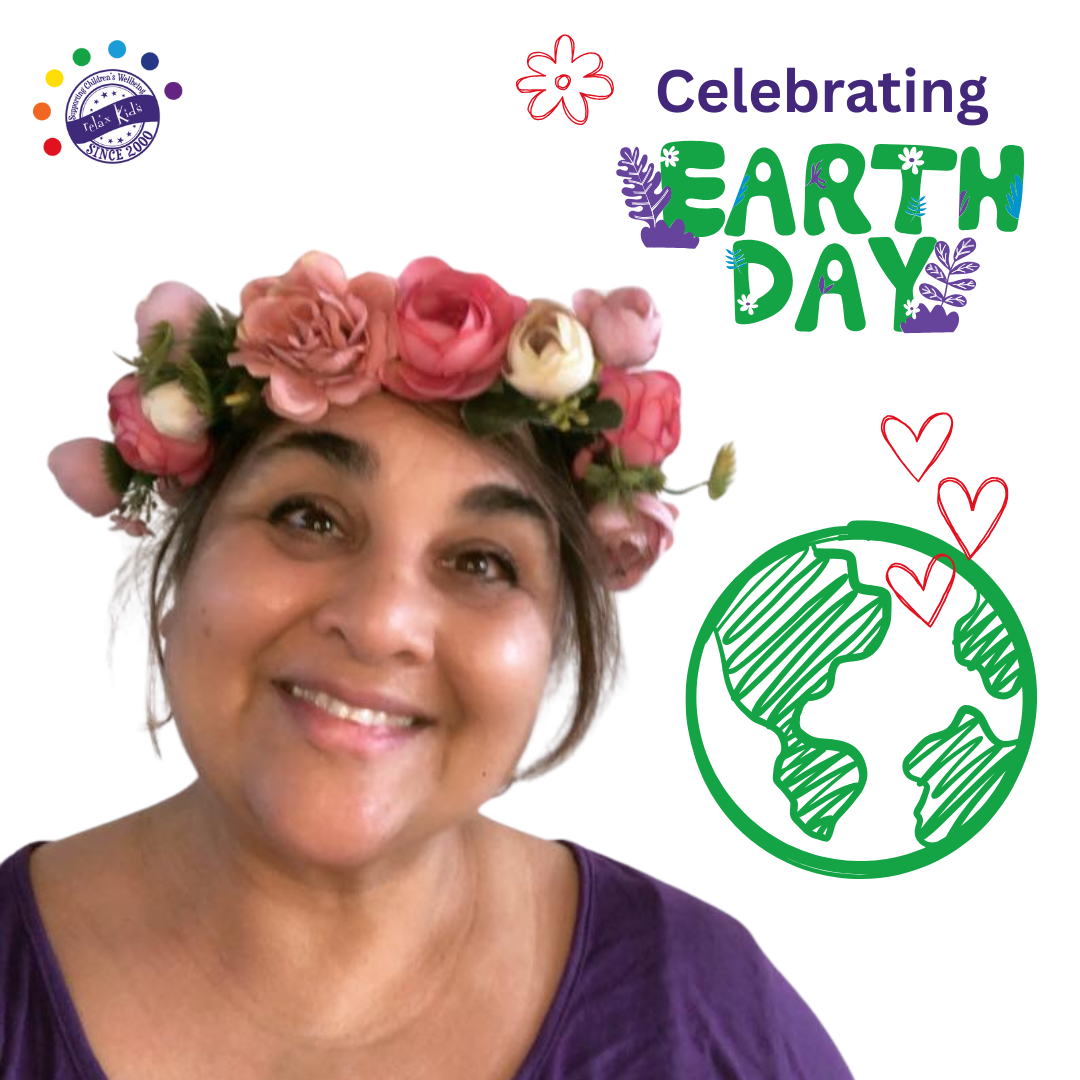
Recently, I had the wonderful opportunity to be part of the Ambassadors of Peace programme designed to teach children about finding peace and connection within the natural world. It was a truly enriching experience, and I wanted to mention it today on Earth Day.

We took 70 children on a trail through nature in a world heritage garden. There were 5 stations and the facilitator dressed up as the element. Earth, Water, Fire, Air, and Ether. 

Children had a 30 minute workshop with each element.

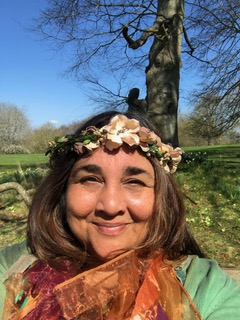
My role was to embody the element of Earth, and I embraced my inner Mother Earth! 

Dressed in earthy colours, I guided the children through my favourite Forest Bathing type exercises which helped ground themselves. I got them to really breathe into the earth and feel the earth beneath their feet, and to contemplate their intrinsic connection to the natural world around them.
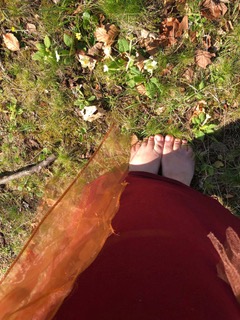
We talked about how shoes cut out of real connection to the earth and how nature has so much wisdom. 

We talked about the  trees, exploring the fascinating idea of how they communicate with one another through their own world wood web.  It was lovely to witness their curiosity spark as they started to realise how connected they were to the earth and elements.

When children feel connected to something, they want to look after it.

As a creative activity, we made talking sticks using wool and twigs gathered from the forest floor. Each pupil made such a unique talking wisdom stick and we talked about how tribes would use the talking stick in their meetings. 

Interestingly, at one point during our exploration, I noticed some of the children were absentmindedly damaging the grass with their sticks, seemingly without a second thought. This presented a valuable teachable moment. We paused our activity and had a discussion about the importance of taking care of the earth we live in, even the seemingly small things like the blades of grass beneath our feet. It was a gentle reminder that everything in nature deserves our respect and consideration.

What struck me most profoundly was the palpable sense of calm and peace that washed over the children by the end of our session. They seemed truly grounded and connected, their energy noticeably more settled and serene.

It’s such a vital lesson to instil in young minds – the power and peace that can be found simply by engaging with nature, coupled with an understanding of our responsibility to protect it. These experiences, however small, can have a lasting impact, fostering a lifelong appreciation and respect for our planet. It was a privilege to be a part of their journey.
Teach children to respect nature. What should we be doing to protect our planet?

Today, the 22nd of April, we celebrate Earth Day, an important international day to raise awareness about pressing environmental issues like climate change, greenhouse gases, and global warming. While many of us are aware of the threats and are taking steps to reduce our carbon footprint, and it’s encouraging to see initiatives like legal recycling requirements and the growth of renewable energy in the UK, a recent poll suggests that public concern for these issues might be lower than it has been in over two decades.

This is concerning because the evidence of environmental damage continues to grow. Climate change remains a significant and escalating problem, and it’s crucial that each of us takes responsibility for our planet.

Teaching children to appreciate and respect nature from a young age is a vital part of this responsibility. 

Getting children out in nature, to the park, the beach or City farms helps them feel connected and so more caring with their environment.  

Here is the link to the Nature Audio – I did one of the meditations in the session.

Posted on

Happy Easter

Helping children relax this spring

After all the fun of Easter egg hunts, Easter games, and lots and lots of chocolate, there’s no better time to settle down and do some relaxation!

Here are some simple relaxations to try out.

Easter Egg: Imagine that you are a chocolate Easter egg lying outside in the sunshine. You feel yourself melting slowly. Feel your whole body becoming relaxed and letting go as you melt and sink further into the floor.

Green Breaths: Lie down on the floor or bed and put your hand on your tummy. Breathe in and out gently and feel your tummy rising and falling. Now, as you breathe in, imagine you are breathing in green light. It feels very calming and peaceful. Now breathe the green light out into the room. Fill the whole room with soft green light. Breathe in, breathe out, breathe in, breathe out.

Butterfly Massage: You might like to try these massage strokes on your child’s back or encourage siblings to give each other a relaxing massage. Imagine your thumbs are a caterpillar crawling up your child’s spine. Slowly and gently walk up the sides of the spine like a caterpillar. Walk right up to the neck and down again. Now, rub the back to warm it up. Finally, practice some butterfly strokes and flutter your fingers all over your child’s head, neck and back.

If you like these exercise, you’ll love getting our free exercises sent to your inbox every Monday morning.
Get them here

Posted on

Easter Fun!

Do you need some fun activities to enjoy with the children this Easter holiday?

Themed Walks:

  • Complete a ‘colour palette walk’ and note down the shades and tones you spot in nature.
  • A ‘Fruits of the Forest’ walk would allow children to collect stones, leaves, and other special gifts from nature.
  • You could even plan a ‘Treasure Hunt’ or an Easter Egg hunt where you could create a route together with your child and have a gift set up at the finish line for reaching your final destination!

Holiday Journal: Try and see how many different types of leaves you can find. These can then be taken home and pressed into a lovely spring scrapbook to which all the family can contribute. Write poems and stories inspired by the break.

Easter Picnics: Pack a basket full of your favourite foods and set out a blanket in your living room, or get out in the garden or park for some fresh air.

Forest Sculptures: Construct your own statue using things found from Mother Nature.

Plant Something: Give something back to nature, whether it is something you have found on one of your holiday adventures or the seeds from your fruits. Remember to thank the great outdoors for the fun it has provided you with over this break.

Easter Calm: The Relax Kids Nature Meditations album is a great way to finish off those busy days and relax your children, whilst still preserving their encounter with the great outdoors in a productive and comforting way. Have a listen to the tracks below.

Click here to see our Nature Album!

Wishing you a lovely Easter Break

Posted on

Teaching Mindfulness to Children: Tips on Helping Children Be More Mindful

Mindfulness is about being present in the moment – fully aware and appreciating what is happening right now. Young children often display natural mindfulness, becoming completely absorbed in the present moment. 

However, as life speeds up and they are frequently told to “hurry up” or “be quick,” they can lose this innate ability to focus on their surroundings, senses, and experiences.

Teaching children to be mindful can help them appreciate life as it is, fostering gratitude for what they have rather than constantly wishing for more. 

Everything we need is already here – we just have to notice and appreciate it.

Mindfulness also helps children slow down, embrace moments of stillness, become more aware of their bodies and senses, and develop a deeper connection with their surroundings and others.

Unlike relaxation, mindfulness encourages children to be alert and fully engaged with their sensations, thoughts, and feelings. 

This heightened awareness often leads to a sense of calm, as the mind becomes more focused and centred.

Tips for Teaching Mindfulness to Children

1. Mindful Eating

Encourage your child to slow down and truly engage with their food:

  • Before eating, ask them to pause and look at their food carefully. Can they spot something – a shape or colour – they hadn’t noticed before?
  • Invite them to take a deep breath and really smell their food. What scents can they detect?
  • As they take a mouthful, encourage them to notice every flavour and texture.
  • Ask them to tune into their stomach – how do they feel as they eat? Can they recognise the moment when they’ve had enough?

2. Mindful Walking

Transform a simple walk into a sensory adventure:

  • Ask your child to listen carefully and notice all the sounds around them. What can they hear that they hadn’t noticed before?
  • Encourage them to focus on the colours around them. Can they describe each shade in detail?
  • Challenge them to spot something tiny they might usually overlook – a hidden flower, an insect, or a pattern on a leaf.
  • Ask them to observe the shapes of the trees and clouds – what do they see?

3. Body Awareness and Breathing

Help your child develop body awareness with this simple mindfulness exercise:

  • Invite them to sit quietly in a comfortable position.
  • Encourage them to focus on their entire body, moving their attention from head to toe. Ask them to notice how each body part feels – warm or cool, heavy or light, tense or relaxed.
  • Guide them to take a deep breath in and slowly exhale.
  • Encourage them to focus solely on their breath, noticing how it moves in and out of their body.
  • Allow them to sit quietly, simply observing their breathing and any sensations they experience.

By incorporating these simple mindfulness practices into daily life, children can develop a stronger sense of self-awareness, presence, and calm. Mindfulness is a gift that helps them navigate life with more clarity, gratitude, and peace.

Get 3 new mindful tips directly sent to your inbox every Monday morning 

Posted on

My Ronnie Barker – How a little dog healed my broken heart ❤️🐾

Fourteen years ago, I unexpectedly found myself with a rescue puppy that I didn’t actually really DID NOT want. He was called Ronnie Barker (an anxious little dog with a huge personality).  But, little did I know that this tiny dog with a hole in his heart would end up healing my own broken one.

Ronnie came with his own anxieties, a result of difficult early experiences. It took years for him to fully trust me, but that bond did grow. 

Although I didn’t want a pet, I can see now there really is nothing better than the love of a dog, the surge of oxytocin, all those feel-good hormones, when he looks deeply into my eyes. They say we sleep better with an animal nearby, and there have been studies that it supports our brain functioning. It definitely helps with loneliness.

My experience will be echoed by everyone who has a pet. We are the lucky ones because they have such and incredible impact on our mental well-being. 

Today is National Pet Day on April 11th –  the perfect time to celebrate the joy our animal companions bring to so many lives.

The special day was founded in 2006 to celebrate the joy pets bring into our lives and to create public awareness surrounding the difficulties many animals face awaiting a permanent home

Pets, especially dogs, encourage us to keep a routine. They need feeding at certain times of the day and need to be taken out on walks to keep them healthy. But it’s not only the dog who is benefitting from the walk, you can too! A half hour walk in the fresh air can give you the time to clear any negative thoughts out of your heads – be mindful on the walk, take note of your surroundings and listen to the sounds you can hear. Not to mention the physical benefits it will have on your health.

Pets really can help if you’re ever struggling with your mental health. 

Remember AfterLife with Ricky Gervias? It was incredible to see how that beautiful dog played a big part in keeping him sane with a routine and someone to care for when his wife passed.

As well as keeping us active, pets can be a calm and soothing presence.

Next time you are feeling low, try to spend some time with them, embrace the love they give you and enjoy the moment you are in.

Today is a great day to celebrate our pets and give them an extra cuddle and thank them for what they bring to us. 

Please do show a picture of your beautiful pet, I would love to see.

#Nationalpetday #MentalHealth #Pets #Companionship #Doglove #Catlove #Animalwelfare #Wellbeing #Furryfriends #Personalstory

Posted on

Hug Your Way to Happiness

Did you know that hugging is scientifically proven to be good for your health?

Virginia Satir, a world-renowned family therapist, is famous for saying “We need 4 hugs a day for survival. We need 8 hugs a day for maintenance. We need 12 hugs a day for growth.”

How many do you get a day? 

A study by the University of North Carolina found that hugging significantly reduces stress by lowering blood pressure. Another study at the same university revealed that hugging increases the release of oxytocin – the ‘love hormone’ – while also reducing the risk of heart disease. Quite literally, hugging is good for your heart!

Hug therapy has even been used to help autistic and withdrawn children develop trust and emotional connection.

The Power of a Hug

Hugging feels wonderful! 

We exchange hugs at Christmas, birthdays, and family gatherings, when greeting or saying goodbye, when we’re upset, or simply to show our love and appreciation for those around us.

A hug is often more powerful than words. 

It’s a simple yet meaningful way to express care, gratitude, and support. 

Human connection thrives on these small but significant gestures.

5 Good Reasons to Hug More

  1. Hugs feel good.
  2. Hugs can relieve pain and reduce symptoms of depression.
  3. Hugs boost the immune system, helping us fight colds and flu while increasing energy levels.
  4. Hugs contribute to overall health and happiness.
  5. Hugs are an excellent stress reliever.

Start Hugging Today!

Hug yourself, hug your children, have a family group hug, hug your partner (often!), hug your friends, hug your pets. There are endless opportunities to share a hug – so enjoy them.

As you hug today, take a moment to close your eyes and remind yourself how much you are loved and how much you care for the person you’re embracing.

How many hugs can you give and receive today?

If you would like to receive 3 ways to relax in your inbox every Monday, join The Break 

Posted on

Full Moon in Libra: Harmony & Balance

The full moon is often linked to heightened emotions and altered sleep patterns. Children often struggle with sleep and emotions can be heightened. 

Despite the negative affects on our sleep and emotional sensitivities, the full moon does give us an opportunity for introspection and self-care.

You can ponder the questions, or even journal or create some art around them. Some people have a moon journal and use the questions to help them focus on their goals and dreams.

The Full Moon in Libra on April 13th emphasises harmony, balance, and cooperation. It’s a time to focus on our relationships and seek equitable solutions.

Here are 3 questions to think about this Full Moon.

How can I improve my communication and foster deeper connection in my relationships?

Where in my life am I experiencing imbalance, and how can I restore harmony?

What compromises or agreements can I make to create more peace and cooperation?

I hope you can make a few minutes to think about these questions which will help you make the most out of the Full Moon.

Happy Full Moon

If you would like to receive 3 ways to relax in your inbox every Monday, join The Break 

Posted on

How on earth did a clown from Birmingham help START the relaxation/mindfulness for children movement in the UK.

My report cards were full of ‘could do better’❎ and this lack of confidence and self-worth followed me like a shadow through University and my first business as a children’s entertainer despite performing  for thousands including pop stars, celebrities and even royalty at Buckingham Palace. 

However, over the 10 years of clowning, I noticed that children were becoming more and more restless and unable to sit and concentrate on my show. I noticed their insecurities. lack of confidence and anxieties. I saw my own insecurities and knew that if I had been given tools from a young age, things would have been different.

I went to the library (there was no internet then) and started to research meditation and relaxation techniques for children and found there was NOTHING available. My mother was leaving the UK to go and live in India and wanted to give my inheritance early. She gave me £45k to put a deposit down on a flat in London. 

But, I couldn’t do it.  

I couldn’t buy a flat with the money. I felt an urge to use it to support children’s mental health and wellbeing. It was a huge risk at a time where there was no provision for mental health and it was not recognised. I guess you could call it a calling (or crazy)

But, I had so many ideas – classes, books, CDs, cards. I had an idea to create a unique class – 7 steps to relaxation – using children’s natural energy system. The ideas kept coming and without knowing what I was doing, I set up Relax Kids – not realising it would go on to be the UK’s leading expert in relaxation.

SO many parents and teachers frowned at the idea of teaching children to relax. Peter Jones and the Dragons laughed at my ideas on DRAGONS’ DEN in 2005, but I stuck to my vision and built up Relax Kids without any external funding or support. 

My first book Aladdins’ Magic Carpet took all the fairy stories and turned them into relaxation exercises to help children manage anxiety and sleep. Since then, I have written 20 creative meditation and affirmation books including The Monster Handbook -helping children manage big feelings and The Dream Machine which has 100,000 combinations of meditations. 

Relax Kids classes have helped children manage anxiety, emotional issues, low self esteem, lack of concentration and also children with neurodivergence. 

Relax Kids has grown slowly with a mix of integrity and magic. 

25 years on, Relax Kids is used in OVER 5 million homes and schools, we have trained over 6,000 franchisee coaches from 52 countries, my books are Best Seller and our products and services are recommended by therapists, psychologists, doctors, teachers and many many parents.

When I first started, there wasn’t the huge mental health crisis that we have now. 

I feel so happy that 

Relax Kids has changed the lives of so many children, parents and teachers.

These are 10 things I’ve learnt from running a business. 

Here are ten general lessons and values that can be applied by anyone looking to make a positive impact in their field:

Trust Your Instincts

Learn to listen to your inner voice when making decisions. Trusting your instincts can often lead you in the right direction.

PersistencePays Off

Challenges and problems will always appear, but they’re there to make us strong and resilient. So many give up but persistent effort can help us get to where we want to go. 

Have a Clear Purpose

Know what you want to do and who you want to help. Keep this in mind and let it inform every action. 

Celebrate Small Wins

This is something I missed for many years and see now the value of recognising and celebrating small achievements to boost motivation reminding you of the progress you’re making. 

Stay Committed to Your Mission

Always focus on your core values and mission, even in the face of challenges, helps you stay true to your purpose.

Would you love to know more about running your own Relax Kids business or do you know someone who would be perfect to run these classes. 

Join my monthly free personal development workshops 

Posted on

How Meditation Can Support Children with Autism

Autism can make it challenging for children to navigate social situations, often leading to stress, anxiety, and overwhelm.

Relaxation can reduce stress responses by up to 50%. (Harvard Medical School)

It has also has been shown to be one of the most effective treatments for autistic spectrum disorders. (Weisz, McCarty and Valeri, 2006)

For 25 years, we’ve seen how powerful simple relaxation tools can be to help children manage their stress and overwhelm.

Regular meditation and breathing exercises help children manage sensory overload, regulate emotions, and build resilience.

Many children with autism find comfort in familiar routines—and our meditations follow a consistent, calming pattern. Soothing music, gentle guidance, and engaging visualisations help create a sense of safety and ease.

Quiet Spaces MP3 has had remarkable results helping children with Autism.

It is full of deep body relaxations which help children feel calm and quiet naturally and is designed to relax children while introducing them to simple stress-management and mindfulness techniques.

The relaxations incorporate breathing exercises, visualisations, muscle relaxations and affirmations. These proven techniques encourage mental and emotional health and provide tools for children who suffer from sleeping problems, anxiety and stress.

“My 9-year-old son has Asperger’s and this really helps him switch off at bedtime.” – Maxine, Parent “A child in my class who screams continually stopped and listened. It was astounding!” – G. Muir, Phoenix Special School

Get Quiet Spaces here

#autism #childmentalhealth #relaxation #meditationforkids #relaxkids #calmclassrooms #specialneedsupport #neurodiversity #autismawareness #wellbeingforkids #inclusion #mentalhealthmatters

Posted on

Relaxation and the Autistic Child

How to support an autistic child relax

Autism is a complex condition, and for many children, daily life can feel overwhelming. Social expectations, unpredictable environments, and sensory overload often place autistic children in a constant state of heightened anxiety. And when a child is anxious or upset, it becomes almost impossible for them to think clearly, self-regulate, or follow instructions.

So when we tell a child to “calm down”, how can they do that if they’ve never actually been taught how it feels to be calm?

Why teaching relaxation is essential

After over 35 years of working with children, and more than 25 years teaching relaxation, I’ve seen first-hand how powerful these tools can be. Learning to relax isn’t just a nice idea — it’s a lifeline. It is essential to managing life – especially for an autistic child.

Benefits of relaxation for autistic children:

• Reduces anxiety and emotional overwhelm
• Improves sleep and energy levels
• Lowers heart rate and blood pressure
• Enhances ability to think clearly and respond calmly
• Boosts confidence and self-esteem
• Provides vital tools for self-regulation in times of upset

Relaxation time can become a shared experience between child and adult. When a parent or teacher models calmness, the child absorbs that energy. A calm adult really does help create a calmer child.

How to support your child to relax:

1. Start with yourself – Children are incredibly sensitive to adult energy. Make sure you are calm and centred before beginning. Model deep, slow breathing and relaxed behaviour. Set clear and positive expectations: “In relaxation time, we lie still and listen quietly.” Use visuals and routines to reinforce the structure.

2. Be clear and consistent – Explain what’s going to happen, where, for how long, and what “good relaxing” looks like. Avoid “don’t” instructions — instead, focus on what to do: “Relaxing means lying still for 5 minutes with soft breathing.”

3. Create a calm space -Set up a special area that’s free from stimulation — no screens, clutter, or background noise. Use pillows, fleece blankets, soft lighting, and a familiar scent like lavender (if tolerated). Some children enjoy helping set up the space, which gives them ownership and involvement.

4. Use routine and repetition – Children with autism often find comfort in predictability. Use the same time of day, same music, same scents, and same setup. Over time, this builds a strong association: “This is my calm space.”

5. Incorporate music and visualisations – If your child tolerates sound, gentle ambient music can help block out distractions and support focus. Visualisation or guided meditation audios can also be powerful — choose those with soft voices and simple, soothing narratives. (Try Relax Kids audios)

6. Keep sessions short and gentle – Begin with just 2–5 minutes and build up slowly. Always model what you want to see: lie down, stay still, breathe slowly. Avoid standing or moving during sessions — your calm presence matters.

7. Teach specific relaxation skills – Children may need to learn how to: Breathe slowly through the nose Let their body go floppy (instead of rigid) Get comfortable using cushions or props Demonstrate these calmly before the session starts or during quiet moments.

Helpful Extras

Essential oils like lavender or bergamot (in a diffuser) can support relaxation — but always check sensory preferences first.

Touch-based therapies, like gentle massage or simply holding a soft toy or fabric, can be grounding. Check what your child responds to best — deep pressure, soft stroking, weighted blankets, or none of the above.

Try this exercise:

Bubble Breathing – Imagine you’re blowing a big bubble. Take a slow breath in through your nose (count to 3). Blow out slowly through your mouth — like you’re gently blowing a bubble. Repeat 5 times, watching your “imaginary bubble” float away with each breath. Tip: You can use an actual bubble wand or pinwheel for visual feedback.

And finally……

There’s no one-size-fits-all method. Every child is different. What works today may need tweaking tomorrow — and that’s OK. Whether you practice together before bedtime, during the day, or after school, the key is to keep going. Be patient. Be kind to yourself. It’s worth the effort.

Try the Quiet Spaces audio

#autism #childmentalhealth #relaxation #meditationforkids #relaxkids #calmclassrooms #specialneedsupport #neurodiversity #autismawareness #wellbeingforkids #inclusion #mentalhealthmatters

Posted on

Supporting autistic children with relaxation

Audrey trained in Relax a Kids 15 years ago to support her own class but after incredible results, her Head teacher asked her to run sessions in every class so every child had the opportunity to have relation sessions.

Audrey also started sessions for their parents. Audrey incorporates the Relax Kids techniques into her classroom where there are 6 children who have autism, some of whom are non-verbal. Audrey integrated Relax Kids into her afternoon classes, to encourage pupils to be calm and prepare them for the rest of the day.

Audrey says:
The children love it, as it helps build their confidence to know they are doing something that is achievable. They also appreciate the structure and repetitiveness it brings.In one particular class where the children were often dysregulated, they went through the Relax Kids programme every morning as soon as they came into class and within a very short time their nervous systems were regulated enough for them to sit calmly and complete tasks. It was a joy to see the transformation in these children.

#autism